Gallery

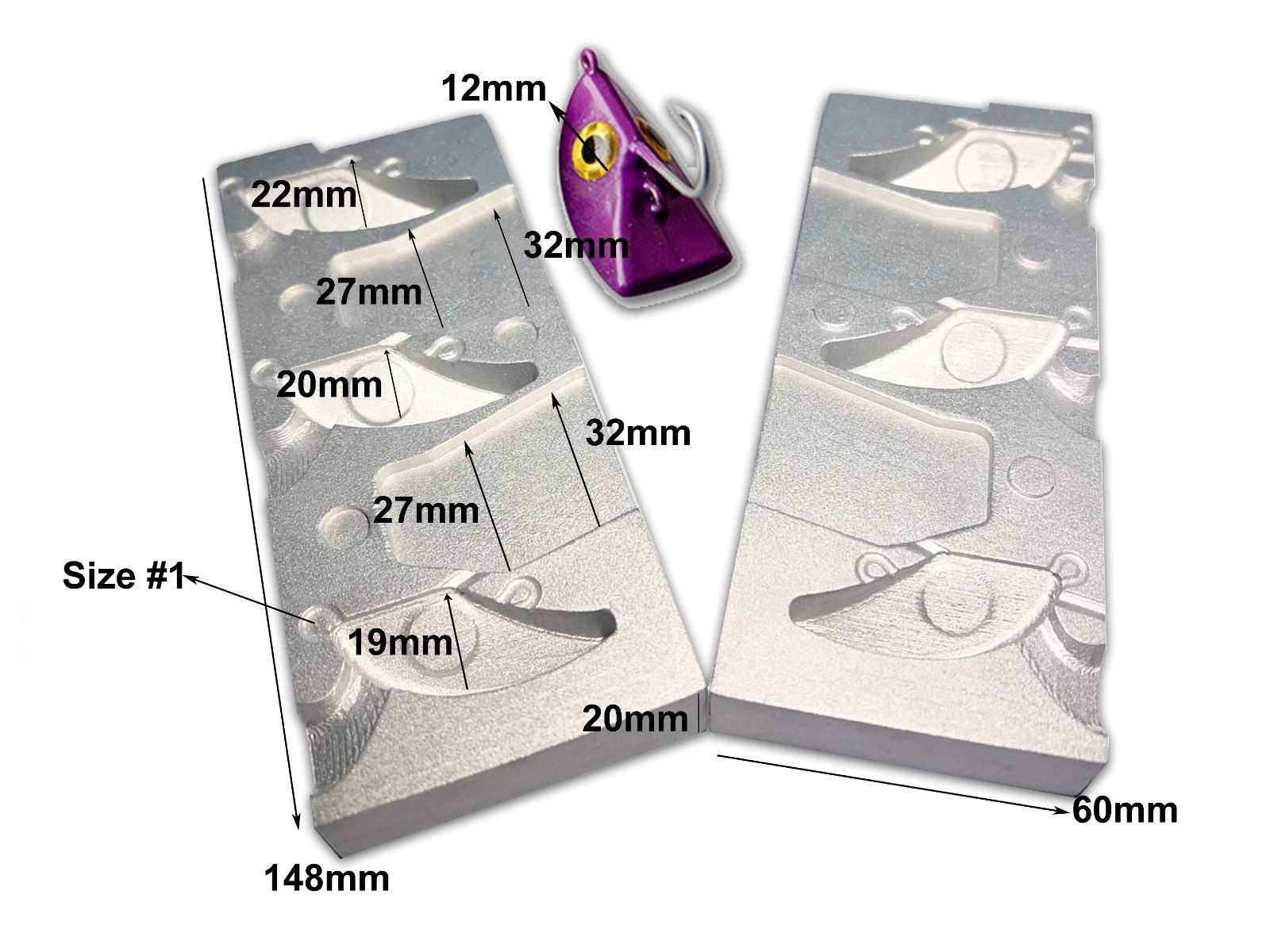



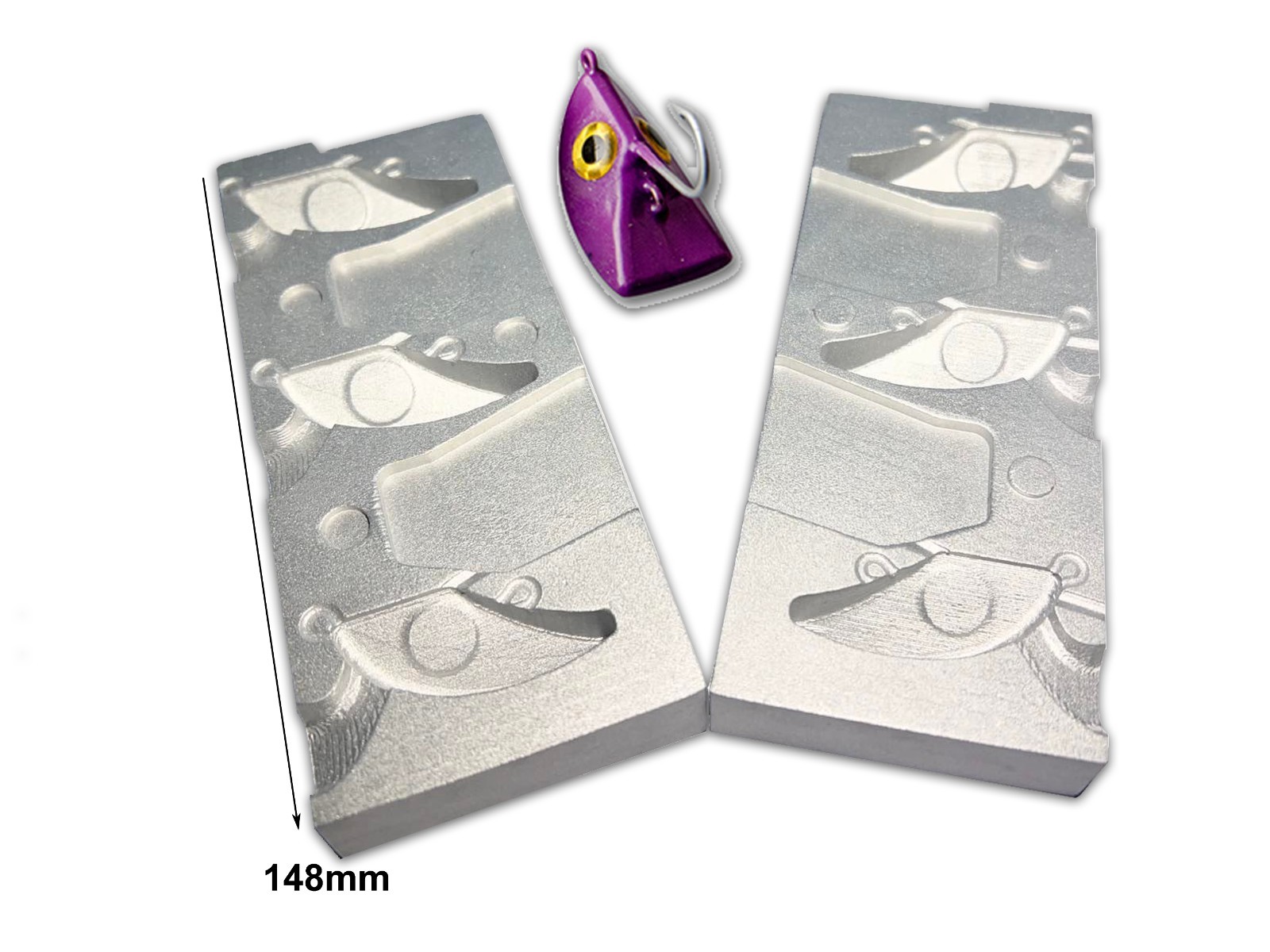
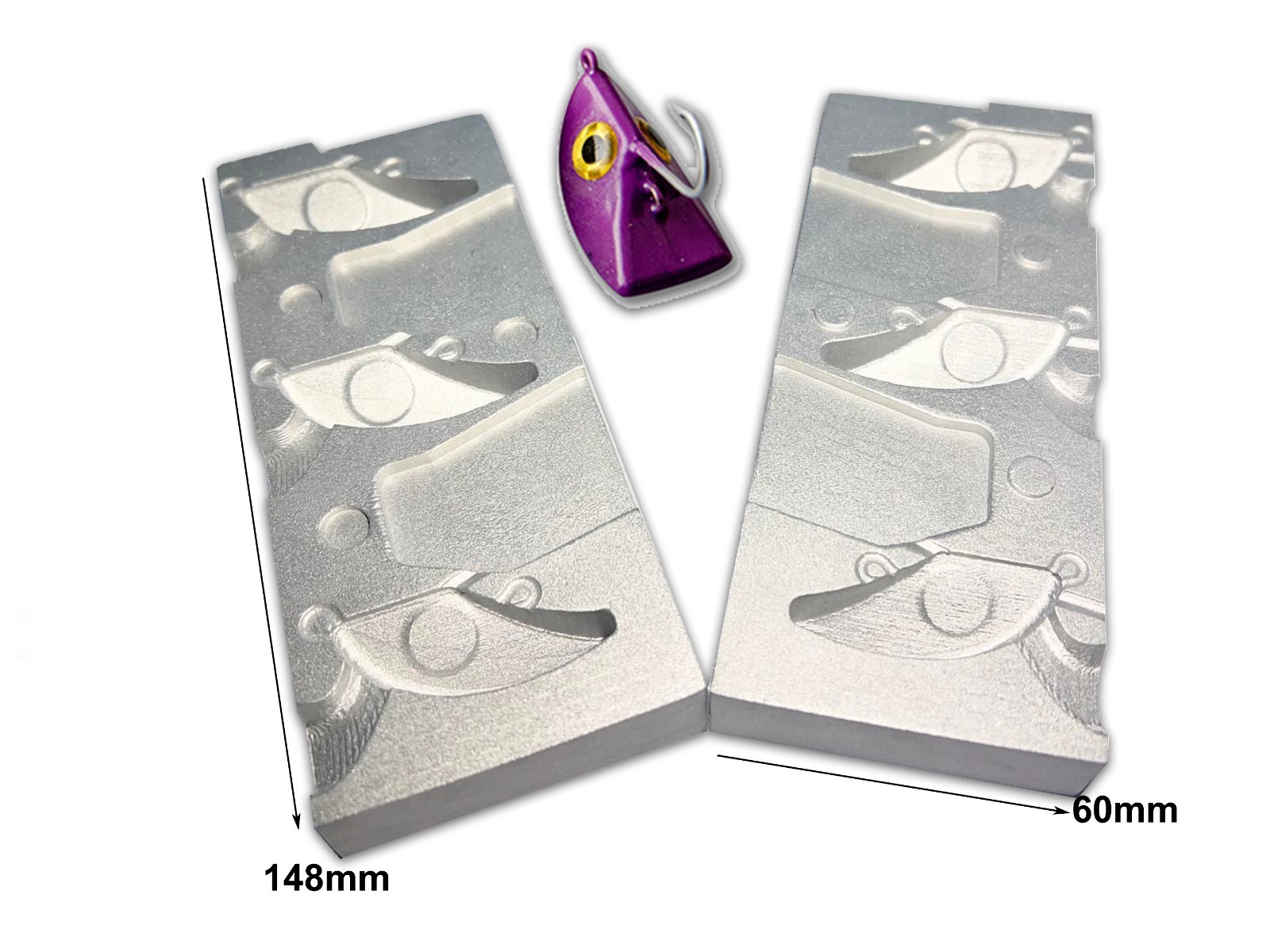


Tenya Fishing Jig Mold 150-180-210g Sea Fishing Boat Fishing
Seller: fishing4ufishing4u
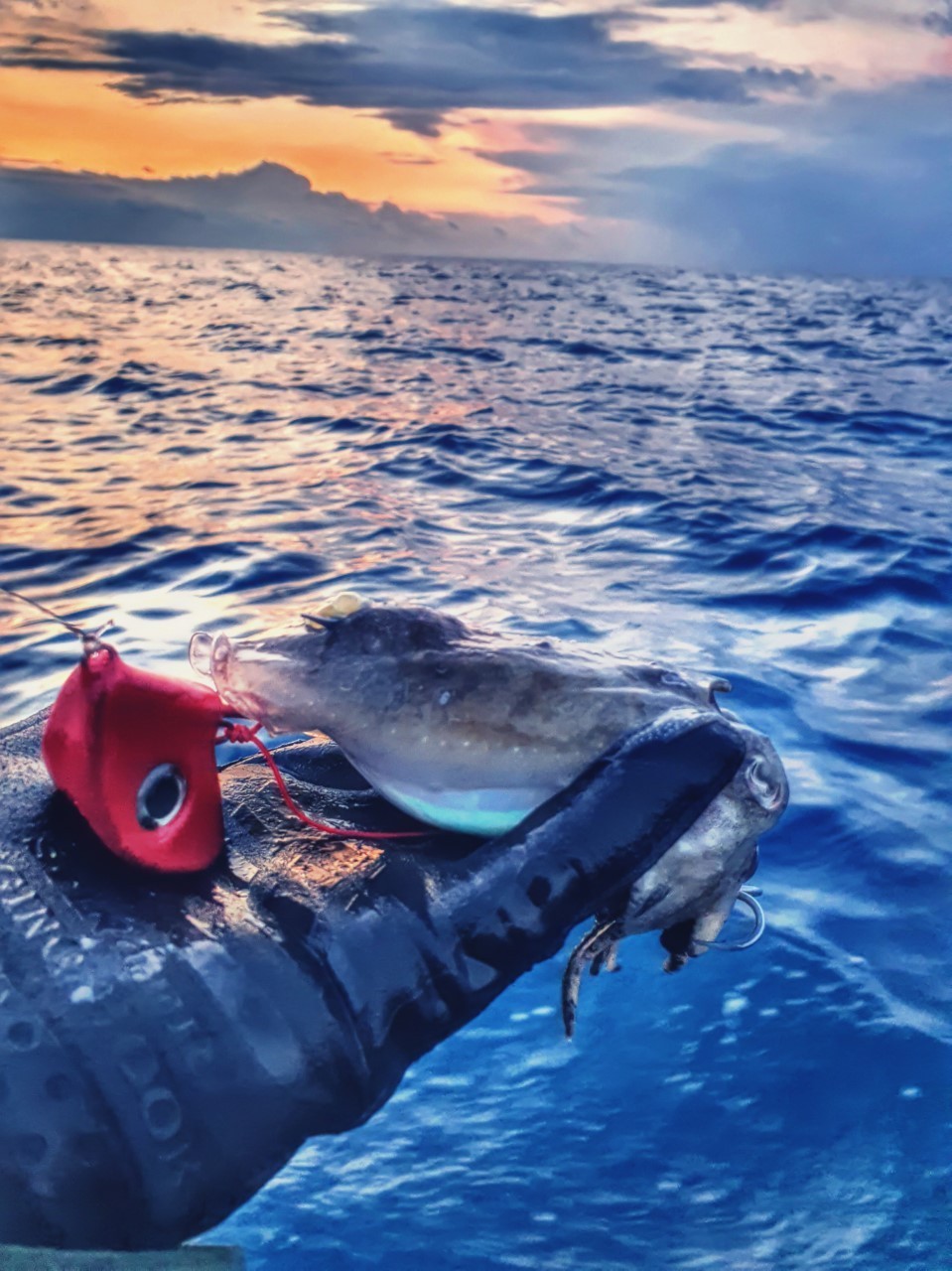
🎯This is a Brand New Tenya Fishing Mould 90-110-130g 🎯Aluminium CNC Machined. 🎯Produce 3 Tenya Jigs in one go. 🎯 Tenya fishing originated in Japan, developed by Japanese fishermen. 🎯 The goal was to create a lure that allows direct contact between the line and the bait, improving sensitivity and bite detection. 🎯 The result is the Tenya — a weighted sinker designed to hold live bait, commonly prawns, or strips of squid or cuttlefish. 🎯For sale is only the mould, not the weights. ⚠️Use #2 Loops ⚠️Lure Eyes Size : 12mm 🎯Save money by producing your own custom fishing weights, allowing for repeated use and consistent quality weights for all your angling needs 🎯All of our molds can also be cast with Tin Metal or Bismuth Metal. Lead (Pb): ~11.3 - 11.34 g/cm³ Bismuth (Bi): ~9.7 - 9.8 g/cm³ ⚠️ About Bismuth Metal Bismuth is a brittle, crystalline, silvery-pink metal with a distinctive iridescent sheen. It has a molar mass of 208.98 g/mol, making it slightly heavier than lead. Despite its weight, bismuth has unique physical properties that make it an excellent material for fishing lures and other lead-free applications. It melts at 271°C (520°F), which is still low enough for easy molding. Unlike many heavy metals, bismuth is non-toxic, making it one of the safest alternatives to lead in the fishing and outdoor-sports world. Why Bismuth Works Here are the reasons why bismuth is an impressive and highly effective replacement for lead: 🎯 Heavier Than Lead — But With Cleaner Casting Bismuth is slightly heavier than lead by volume, allowing you to produce compact, dense lures that sink quickly and hold depth easily. This is especially valuable when fishing deep cover, vertical jigging, or targeting fast-moving fish. 🎯 Excellent Sensitivity Because bismuth is much harder and more brittle than lead, it transfers vibration exceptionally well. Anglers feel bottom composition, structure, and strikes more distinctly. This makes bismuth jigs and sinkers ideal when you need maximum feedback through the rod. 🎯 Sharper Sound & Better “Click” Bismuth’s hardness creates a loud, crisp clicking sound when it hits rocks or other weight components. This added auditory attraction draws curious fish, especially in stained water or low-visibility conditions. 🎯 Maintains Shape — Doesn’t Deform Like Lead Lead lures often dent or flatten when banged against rocks, docks, or metal structures. Bismuth, however, keeps its shape and retains paint much longer because of its harder, more rigid nature. 🎯 Slower Cooling = Better Mold Detail Bismuth expands slightly as it solidifies, allowing it to pick up extremely fine detail in molds — giving you sharp edges, clear scale patterns, and cleaner finishes compared to lead. 🎯 Eco-Friendly & Wildlife Safe One of the biggest advantages: bismuth is non-toxic. It poses no threat to fish, birds, or aquatic ecosystems. Many anglers choose bismuth specifically because it meets environmental regulations and keeps fisheries healthy. 🎯 Great for Mixed Alloys Bismuth alloys easily with other metals like tin, creating blends that: lower the melting point reduce brittleness improve casting flow preserve hardness This makes it versatile for both soft-flow applications and precision-weighted lures. Final Note If you give bismuth lures a try, you’ll quickly notice how its weight, hardness, sensitivity, and eco-safe profile make it one of the best modern alternatives to lead. ⚠️ About Tin Metal Tin is a silvery-white, highly crystalline metal known for its softness, malleability, and unique “tin cry” sound when bent. It has a molar mass of 118.71 g/mol, making it significantly lighter than lead — roughly 2/3 the weight by volume. Tin melts at 232°C (450°F), making it extremely easy to cast and mold with precision. Despite being lightweight, tin is harder and stiffer than lead, giving lures superior durability and better action in the water. ⚠️Tin is approximately 2/3 the weight of lead by volume. Tin, therefore, has a molar mass of 118.710 grams per mole and lead has a molar mass of 207.2 grams per mole. 🎯Tin is harder, stronger, and stiffer than lead 🎯Tin is a soft, malleable, ductile and highly crystalline silvery-white metal. When a bar of tin is bent, a crackling sound known as the "tin cry" can be heard from the twinning of the crystals. Tin melts at low temperatures of about 232 °C (450 °F), ⚠️ About Tin Metal Tin is a silvery-white, highly crystalline metal known for its softness, malleability, and unique “tin cry” sound when bent. It has a molar mass of 118.71 g/mol, making it significantly lighter than lead — roughly 2/3 the weight by volume. Tin melts at 232°C (450°F), making it extremely easy to cast and mold with precision. Despite being lightweight, tin is harder and stiffer than lead, giving lures superior durability and better action in the water. Why Tin Works Here are the reasons why tin is one of the most effective and eco-friendly lead alternatives in lure making: 🎯 Lighter Weight = Bigger Profile Without Bulk Because tin is about 2/3 the weight of lead by volume, you can create larger-bodied lures without unwanted heaviness. This is perfect when matching forage species like shad, herring, or larger baitfish — natural size, natural look, no extra weight. 🎯 Stays High in the Water Column Tin’s reduced density means lures can be retrieved slowly while still riding high in the water. This is ideal when fishing: over shallow grass around brush or stumps when trying to pull fish up from distance You get more control at slower speeds. 🎯 More Vibration, More Action Tin is harder and more responsive than lead, which gives your lures: stronger shake sharper pulse increased vibration A tin-molded jig or spinnerbait “talks” more underwater, especially effective for triggering reaction bites. 🎯 Slower, More Seductive Fall Tin spinnerbaits and jigs fall slower and more gracefully than lead. This is deadly when: drop-fishing in cold water fishing standing timber working bluff walls tempting lethargic bass The fall itself becomes the strike trigger. 🎯 Better Visibility in Stained Water Because tin lures stay in the strike zone longer and pulse harder, fish can track them more easily in: muddy water tannic water low light More time in the zone = more hookups. 🎯 Stable at High-Speed Retrieves A properly balanced tin spinnerbait can be burned at high speed without rolling over, maintaining a true track even at “warp speed.” Perfect for aggressive, fast-cover retrieves. 🎯 Harder Than Lead = Longer Lasting Tin does not dent the way lead does. When you bang it against: rocks pilings riprap docks it keeps its shape and keeps its paint. That means better durability, longer lure life, and a cleaner appearance after multiple trips. 🎯 Eco-Friendly & Wildlife Safe Tin is non-toxic and fully safe for fish, birds, and aquatic ecosystems — unlike lead. It meets environmental regulations and protects fisheries for the long term. Final Note If you give tin lures an honest try, you’ll quickly see why so many anglers prefer tin for its unmatched vibration, controlled buoyancy, durability, and eco-friendly nature. All Other Moulds , Loops,Coatings and many more products In Our Ebay Store. POSTAGE DISCOUNTS ON MULTIPLE ORDERS We will see what we can do for you to reduce the cost.We aim to please, keeping costs to a minimum including postages. WE REDUCE POSTAGE ON MULTIPLE BUYS Please contact us, after you won the first auction to hold on